Blepharoplasty in Burbank & Greater Los Angeles
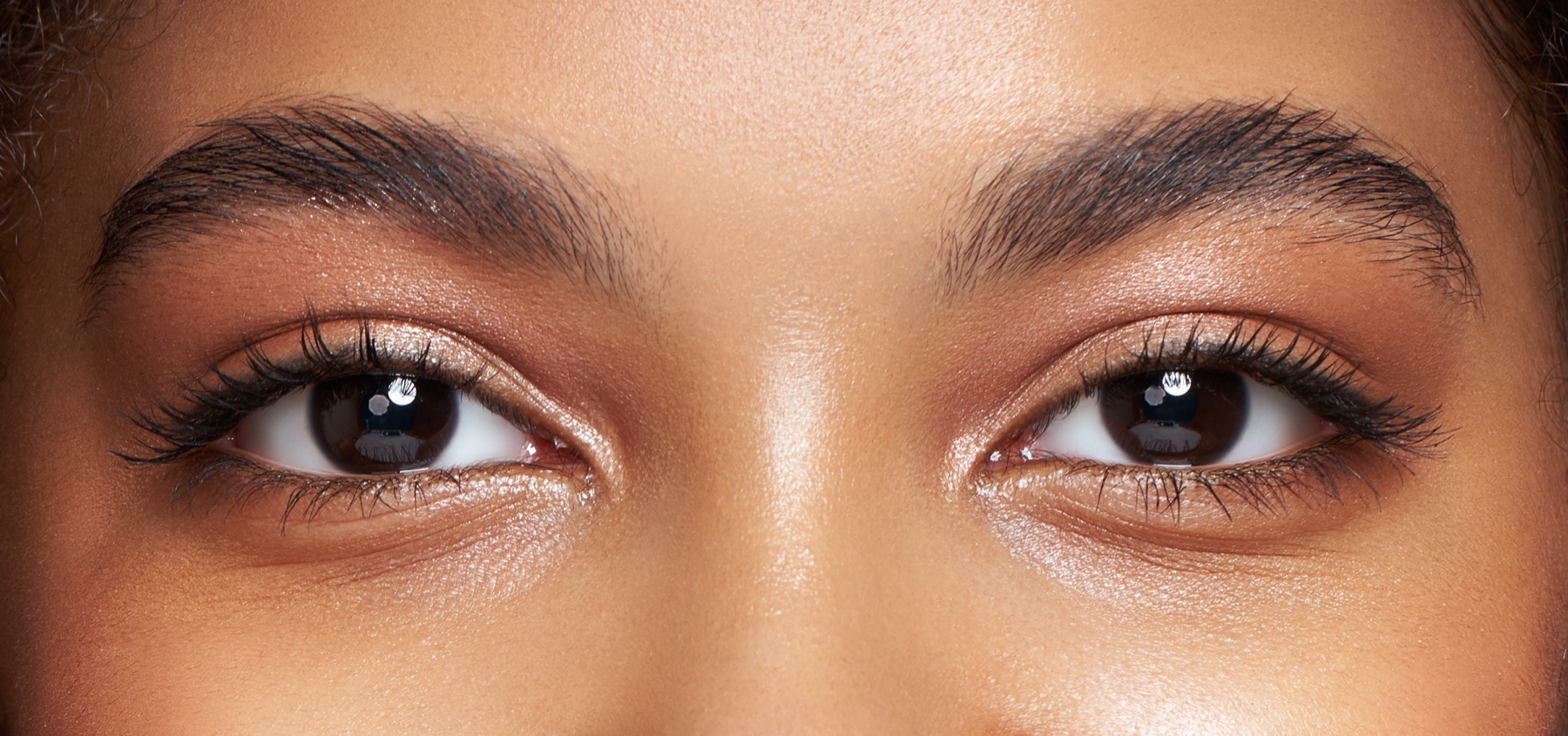
What is Blepharoplasty?
Blepharoplasty is eyelid surgery for two different problems: excess upper-lid skin that has settled low enough to clip the top of your visual field, and the cosmetic heaviness that reads as fatigue. Dr. Suhas Tuli evaluates and works up eyelid concerns in the office and refers the operation itself to a trusted oculoplastic surgeon.
Start with the part nobody warns you about, because it is what sends most people to an eye doctor rather than a salon. Excess skin on the upper lid is not always a question of looks. As that skin loosens and gathers, it can settle low enough to clip the top and outer edge of what you see — and the body adapts so quietly that you may not connect the two. People raise their brows to hold the lid up. They tilt the chin back to read a sign. They blame the lighting. The vision did not so much blur as get covered.
Then there is the other half, the one allowed to simply be about appearance. Heavy, hooded upper lids and puffy lower lids read as fatigue on a face that feels wide awake, and wanting to look less tired is a reasonable thing to want. In 2024, eyelid surgery accounted for more than 120,000 of the cosmetic procedures performed by ASPS-member surgeons in the United States, and because that counts member surgeons only, it is a floor rather than the full national tally. Most pages pick one lane. The eyelids do not, and this page treats both honestly.
When heavy lids become a vision problem
The clinical name for the underlying change is dermatochalasis, the age-related loss of skin elasticity that leaves a fold of lax skin draping over the upper lid. Everyone develops some. In a few people the fold grows heavy enough to rest on the lashes, hood the eye, and reach into the upper field of view.
Here is the careful version of what surgery can do, and it matters that it stays careful. Removing that obstructing skin may improve the superior field of vision — the upper portion — when overhanging lid tissue is what was blocking it. The word is may, on purpose. The benefit is real for the right eyes, but it is not a promise, and it is not assumed in advance. It is measured. Formal visual-field testing documents how much of the upper field the lid is actually taking, before surgery and after. That test is not a formality; it is how a heaviness you have learned to live with becomes objective, and it is also what an insurer will want to see. The eyelid is one variable in how you see, though, not the only one, so a thorough exam separates a true lid obstruction from the other reasons sight changes with age.
The cosmetic side, kept honest
When the lids do not interfere with sight, blepharoplasty becomes elective and aesthetic, and there is nothing wrong with that. The complaint is familiar: a perpetually weary, heavy-lidded look that does not match how you feel, or under-eye bags no amount of sleep seems to touch. Refining the excess skin, and where it applies repositioning a little fat, can open the eye and leave a more rested appearance.
What we will not do is promise a face. Results vary with your anatomy, your skin, and how your tissues heal, and a good outcome is a more refreshed version of you, not a different person. Photographs of other patients show what is possible, not what is owed.
Two different droops: dermatochalasis vs. ptosis
Before anyone plans a procedure, it helps to know that "droopy eyelids" can describe two different problems with two different fixes. They look alike from across a room. They are not the same.
- Dermatochalasis is a skin problem. The skin of the lid stretches and sags, and the redundant fold is what hangs. Blepharoplasty addresses it by removing that excess skin and tissue.
- Ptosis is a lifting problem. Here the lid margin itself sits too low because the muscle that raises the lid has weakened or stretched, not because of surplus skin. Correcting ptosis means repairing or tightening that lifting mechanism, a separate operation from blepharoplasty.
What is the difference between dermatochalasis and ptosis?
Dermatochalasis is a skin problem: the lid skin stretches and sags, and the redundant fold hangs. Ptosis is a lifting problem: the lid margin sits too low because the muscle that raises it has weakened. Removing skin will not lift a margin that droops for muscular reasons, so telling them apart changes the plan.
What Dr. Tuli does here — and what she refers
Candor first, because the rest of this page reads differently without it. Dr. Tuli has performed blepharoplasties in the past; currently, she does not operate on eyelids herself. What she does is the part that actually decides whether this surgery is worth doing: the examination that separates dermatochalasis from ptosis, the visual-field testing that documents whether your lids are genuinely costing you sight, the functional-versus-cosmetic call that shapes coverage, and the plain answer when surgery is not the right move. When it is, she refers you to an oculoplastic surgeon she trusts.
There is a quiet advantage in that arrangement: the physician deciding whether you need eyelid surgery has no schedule that depends on you having it.
Does Dr. Tuli perform eyelid surgery?
Currently she does not operate on eyelids herself. She performs the examination that separates dermatochalasis from ptosis, the visual-field testing that documents whether your lids are costing you sight, and the functional-versus-cosmetic call that shapes coverage. When surgery is warranted she refers you to an oculoplastic surgeon she trusts.
What the surgery involves
Technique is individualized, but its shape is recognizable. For the upper lid, the incision is usually hidden in the eyelid's natural crease. Through it, the surgeon trims the excess skin, and where indicated a small amount of muscle or fat, then closes with fine sutures. Because the line follows the lid's own fold, it tends to settle into something discreet.
For the lower lid, the route depends on the goal. An incision may sit just beneath the lash line, or, when the work is mostly about fat or puffiness, on the inside of the lid, which leaves no external scar.
Blepharoplasty is commonly done as an outpatient procedure under local anesthesia, often with light sedation. No overnight stay is typical. The approach, the structures addressed, and the anesthesia are all decided from your own examination, not from a webpage — first in Dr. Tuli's evaluation, then in detail with the surgeon performing your procedure. And as with any operation, the risks belong beside the benefits, reviewed frankly in your consultation: bruising, swelling, asymmetry between the two sides, dry-eye symptoms, changes in lid position, the very rare bleeding behind the eye that can threaten vision, and the small chance of needing a revision.
Recovery, in real ranges
Many people find the recovery gentler than they brace for, but healing runs on its own clock, so treat what follows as ranges, not a schedule. Expect some bruising and swelling around the eyes in the first days; rest, an elevated head, and cool compresses help it along. Sutures, when used, generally come out within the first week or so. Bruising and swelling tend to ease over the next couple of weeks, while the final contour keeps refining more gradually as the tissues heal. Your surgical team will tell you how to care for the incisions, which activities to hold off on, and when to return.
The insurance reality, up front
This is the question that decides who pays. Whether blepharoplasty is covered turns almost entirely on whether it is functional or cosmetic, and that distinction is not yours, ours, or even your surgeon's to simply assert.
Insurers generally treat upper-lid blepharoplasty as functional only when there is objective evidence that excess lid skin obstructs the superior visual field, typically documented by visual-field testing, often with photographs, and usually against a threshold the plan sets for how much obstruction counts. Meet that bar with documentation, and a portion may be covered. Fall short, or pursue surgery purely to refresh your appearance, and cosmetic eyelid surgery is generally not covered, paid out of pocket.
Two cautions worth stating plainly. Coverage can never be guaranteed in advance, because criteria and paperwork vary from one plan to the next, and only your insurer can confirm what yours requires. And the testing is not a box to check on the way to a cosmetic result; it either documents a real obstruction or it does not. Our team can explain how the functional assessment works and what your plan tends to ask for, so you go in knowing where you stand.
Blepharoplasty: Questions Patients Ask
She has in the past; currently she does not operate on eyelids. Dr. Tuli performs the evaluation — the dermatochalasis-versus-ptosis exam, the visual-field testing that documents a functional case, and the honest read on whether surgery is worth it — and refers the operation itself to an oculoplastic surgeon she trusts. It is the same standard this site applies everywhere: what is offered here is named, and what is not is referred.
It may, in a specific case. When overhanging upper-lid skin is obstructing the upper portion of your sight, removing it can open up the superior visual field, a benefit documented with before-and-after visual-field testing rather than assumed. If your lids are not obstructing vision, the surgery is cosmetic and would not be expected to change how well you see.
Blepharoplasty works on the eyelids; a brow lift works on the eyebrows above them. Sometimes a low brow is part of why the lids look heavy, which is one more reason the area is evaluated as a whole.
Upper-lid incisions hide in the natural crease. Lower-lid incisions sit just under the lash line or on the inside of the lid, where there is no external scar. Healing differs from person to person, and your aftercare is built to give the lines the best chance to fade.
No. Blepharoplasty addresses excess skin, muscle, and fat, not pigmentation or surface wrinkles, though some people notice a secondary improvement.
Sometimes, when both excess skin and a low lid margin are present. Whether to combine them depends on what your exam finds, since they are distinct problems treated in distinct ways.
Get a straight answer in Burbank
Heavy lids sit at a useful intersection. They can shade your sight and dull your appearance at once, and the same surgery speaks to both. What it cannot do is tell you, from a screen, which version is yours or whether surgery is the answer. Only an examination does that.
To arrange one at Tuli Eye Care Center in Burbank, call (818) 845-2015 or request a visit through our contact form. We will lay out what blepharoplasty can and cannot do for you, and how the functional-versus-cosmetic line shapes both your result and your coverage. No pressure, no rush, no promises we cannot keep. Whether your reason is what you see or how you look, it is worth getting a straight answer first.